
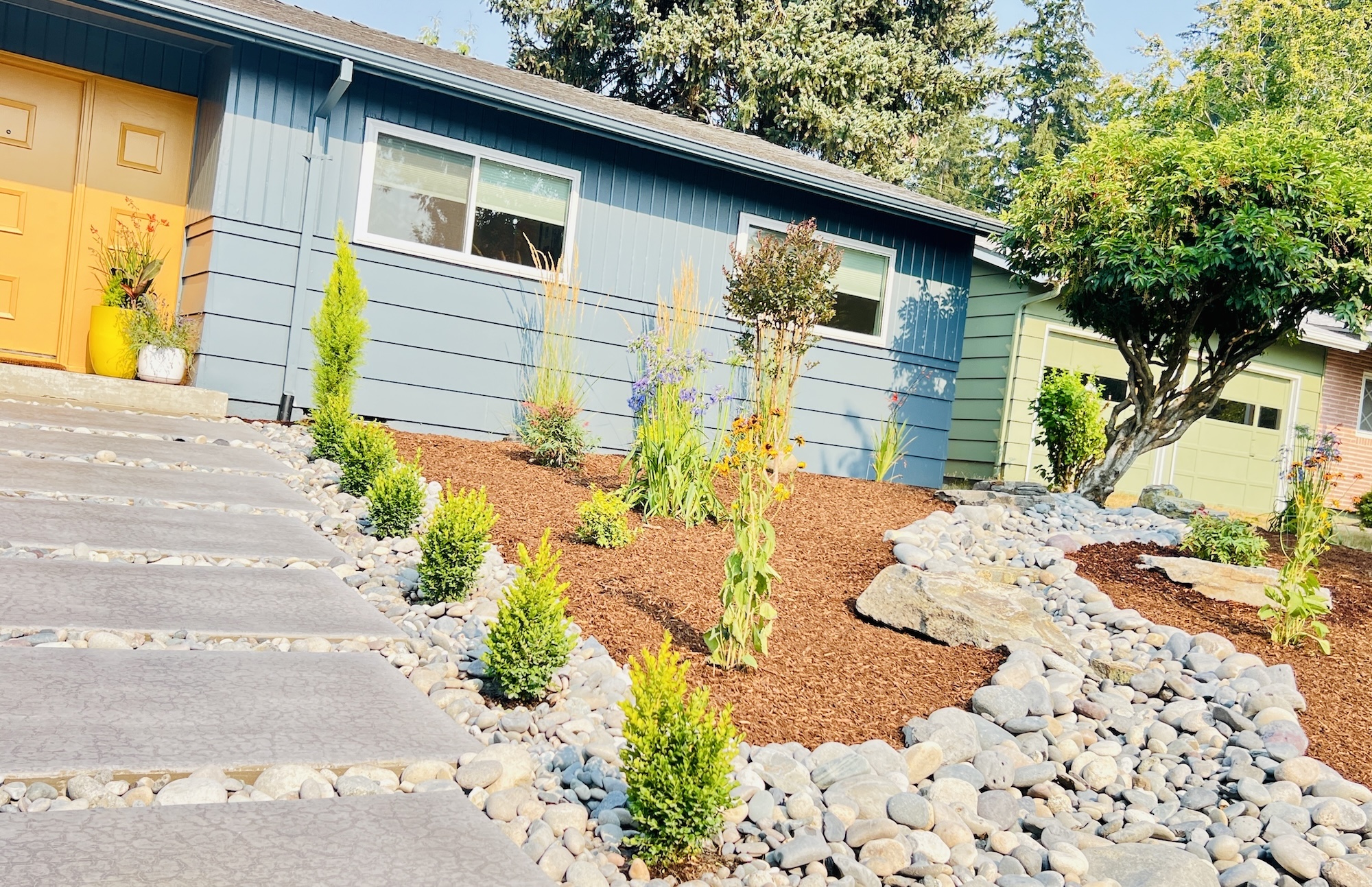
Matching Plants to the Conditions Already Present in Your Canby Landscape
A plant can look perfect at the time it is installed and still struggle if it is placed in the wrong part of the yard. The amount of sunlight a planting area receives influences how well trees, shrubs, perennials, seasonal flowers, and native plants establish and grow. For homeowners looking for professional lawn service in Canby, OR, understanding those differences is an important part of creating an attractive landscape that works with the property rather than against it. At NW Evergreen Landscape LLC, thoughtful plant selection begins by looking at the actual conditions around the home, including sun exposure, soil conditions, moisture, existing landscaping, and the homeowner’s goals.
Choosing between plants for sunny and shaded spaces is not simply a matter of reading a label and finding a place to put them. Landscapes change throughout the day and throughout the year. A location that receives morning sun may be shaded later by the home, while an open planting bed may receive much more direct sunlight during summer. Established trees and shrubs can also create different growing environments within a single property. Matching new planting to these conditions gives the landscape a stronger foundation for long-term plant health.
Why Sun and Shade Matter When Choosing Landscape Plants
Sunlight is one of the first conditions landscapers consider when deciding where plants should be installed. Different parts of a residential property can receive significantly different amounts of light. Open sections of a lawn may receive sun for much of the day, while foundation plantings, areas beneath established trees, and spaces beside fences can remain shaded for longer periods.
That difference matters because plants have different growing requirements. A plant suited to an open, sunny location may not perform as well when installed in a heavily shaded area. Likewise, plants that are better suited to lower-light conditions may struggle when exposed to prolonged direct sun. Choosing plants according to the conditions of the planting area can help create healthier growth while making the overall landscape easier to maintain.
This is particularly important when adding trees, shrubs, perennials, seasonal flowers, or native plants to an established yard. Existing landscaping already influences the amount of light, moisture, and available growing space around a property. Rather than treating every planting bed the same, a landscaper evaluates how each area functions before deciding what type of planting is appropriate.
Sun Exposure Can Change Across the Same Yard
Homeowners sometimes think of a property as either sunny or shady, but most yards contain a combination of both. The front of a home may receive direct sunlight while the backyard is partially shaded by mature landscaping. One side of a house may stay shaded for much of the day, while another side receives extended sunlight.
Seasonal changes can also affect the landscape. Trees and shrubs can provide more shade during active growing periods, while changing weather throughout the Willamette Valley affects moisture and growing conditions. NW Evergreen Landscape LLC considers these variations when helping homeowners improve their outdoor spaces.
The goal is not simply to fill an empty planting bed. New planting should complement the existing landscape while being positioned where it has appropriate conditions to establish and grow.
Ready for a Healthier, Better-Looking Lawn?
Contact NW Evergreen Landscape LLC today to schedule your professional lawn service!
Why the Right Plant Placement Supports a Healthier Landscape
Plant selection affects much more than the appearance of a yard on installation day. When plants are placed in areas that better match their growing needs, homeowners can create outdoor spaces that remain attractive as the landscape develops.
Poor placement can create unnecessary challenges. A shrub that does not perform well in its location may develop uneven growth or require more attention. Plantings can also become crowded when their eventual size is not considered. Thoughtful placement gives each tree, shrub, perennial, or seasonal flower appropriate room within the landscape while helping the overall design remain balanced.
This is where professional landscape maintenance and installation work together. A landscape is not static. Plants grow, lawns change with the seasons, shrubs need trimming, leaves accumulate, and weeds compete for available resources. Looking at the landscape as a complete outdoor environment helps determine where new planting makes sense.
NW Evergreen Landscape LLC provides lawn service and landscaping based on the conditions of individual residential properties. In Canby, OR, those conditions can vary between established neighborhoods, newer residential areas, and properties with mature trees and landscaping. Evaluating the property first allows plant choices to be made with those differences in mind.
Soil Conditions Matter Alongside Sunlight
Sun and shade are important, but they are not the only considerations. The condition of the soil can influence how well a new planting establishes. The source material for NW Evergreen Landscape LLC emphasizes evaluating growing conditions and recommending a soil test when necessary before developing fertilization plans. The same attention to existing conditions is valuable when considering new planting.
Soil preparation and proper placement help support long-term plant health. If a planting area has conditions that do not support the intended landscape, those factors should be considered before plants are installed. Simply choosing an attractive plant without looking at its surroundings can lead to disappointing results.
Moisture should also be considered. Shaded sections of a landscape can behave differently from open areas that receive prolonged sunlight. Evaluating these conditions together creates a more complete picture of what will work in a particular space.
How Landscapers Choose Plants for Sunny and Shaded Areas
Professional plant selection begins with observation. Before new planting takes place, the property should be evaluated as a whole. Landscapers consider where sunlight reaches the yard, where shade develops, what plants are already established, and how the homeowner wants to use the outdoor space.
The process can generally be understood through a few connected considerations:
- Evaluate the planting area. Determine how sunlight, shade, existing plants, soil conditions, and available space affect the location.
- Consider the surrounding landscape. Look at nearby trees, shrubs, fences, walkways, patios, and the home itself.
- Choose appropriate plant types. Select trees, shrubs, perennials, seasonal flowers, or native plants that fit the location and landscape goals.
- Prepare the soil and placement area. Proper preparation supports establishment and long-term plant health.
- Plan for ongoing maintenance. Consider how trimming, lawn maintenance, weed control, leaf removal, and other routine care will interact with the new planting.
These steps help keep plant selection connected to the larger landscape rather than treating each planting as an isolated feature.
Choosing Plants for Open, Sunny Spaces
Open sections of a yard often provide opportunities for planting where sunlight is available for longer periods. The important consideration is choosing plants that fit those conditions while also complementing the existing lawn, planting beds, walkways, paver patios, decorative rock, mulch, or other landscape features.
Placement should also account for the plant’s role within the yard. Some homeowners may want new shrubs to create visual structure around an outdoor space, while others may be adding perennials or seasonal flowers to improve planting beds. Trees can become significant landscape features as they mature, so their placement deserves particular attention.
Professional planting is about creating a landscape that works as a whole. Sun exposure is one part of that decision, but spacing, soil preparation, nearby landscaping, and the homeowner’s goals also influence the final choice.
Choosing Plants for Shaded Areas
Shaded areas require the same level of consideration. The amount and duration of shade can vary considerably depending on what creates it. A planting bed beside a home can have different conditions from an area underneath established trees or near privacy hedges.
A landscaper looks at how much light reaches the area and how the surrounding plants are already performing. Existing vegetation can provide useful clues about the growing environment. The goal is to choose new plantings that fit naturally into those conditions instead of forcing a plant into a location that does not suit it.
Shaded planting areas can still contribute significantly to the appearance of a property. Thoughtful use of shrubs, perennials, native plants, and other appropriate plantings can add texture and visual interest while connecting different sections of the landscape.
Considering the Landscape Beyond the Planting Bed
Professional plant selection also considers how the area will be maintained after installation. Lawn edging may be needed to create separation between turf and planting beds. Mulch can help retain moisture, suppress weeds, moderate soil temperature, and improve the appearance of planting areas. Bush and shrub trimming can help maintain attractive shapes as plants grow.
Seasonal care matters as well. Canby’s mature trees can create significant leaf accumulation during fall. Leaf removal and yard clean-up help prevent excess organic material from building up on lawns and around landscape areas before the rainy season.
Weed control is another part of maintaining planting areas. Weeds compete with healthy turf and other plants for moisture, nutrients, and sunlight. Consistent weed treatment and landscape maintenance help keep new and established areas cleaner and more manageable throughout the year.
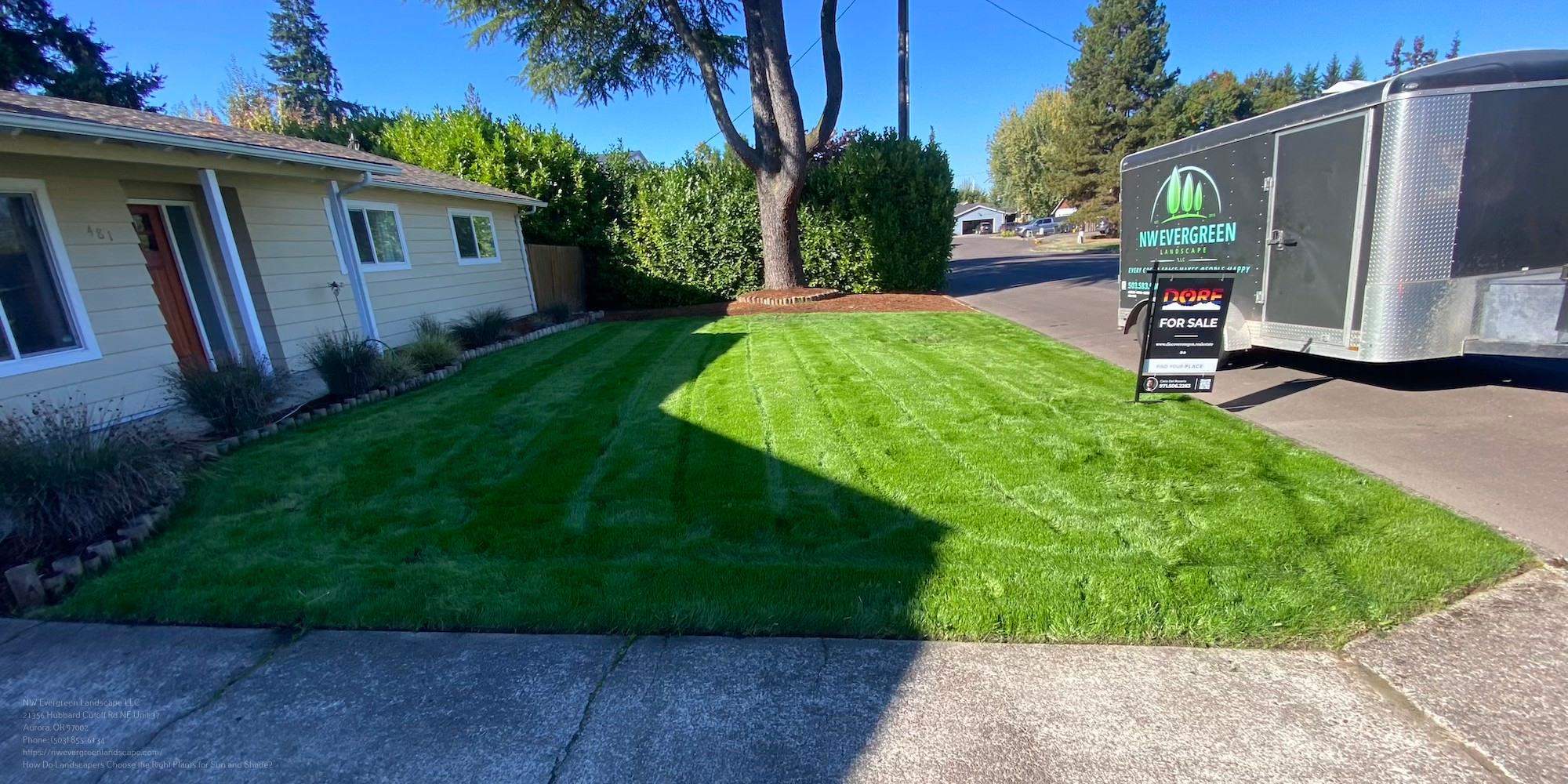
How Canby’s Changing Seasons Influence Plant Choices
Canby homeowners experience the seasonal conditions of the Willamette Valley, including wet winters and drier summer periods. These changes make it especially useful to think beyond how a plant looks when it is first installed.
A successful landscape should be considered throughout the year. Sun exposure can change, leaves can create seasonal shade and debris, and soil conditions can be affected by periods of rain and dry weather. Established plants also continue to grow and influence nearby areas.
For that reason, NW Evergreen Landscape LLC approaches lawn care and landscaping with year-round maintenance in mind. Routine mowing, edging, seasonal trimming, debris removal, property clean-up, fertilization, weed control, leaf removal, and shrub trimming all contribute to the condition of the landscape surrounding new planting.
Homeowners can also benefit from thinking about how different parts of their outdoor spaces connect. A new planting bed near a walkway should complement the route through the yard. Shrubs around a paver patio should fit the surrounding landscape without overwhelming the space. Plantings near lawns should allow for practical edging and ongoing maintenance.
These details help turn individual plant choices into a cohesive residential landscape.
Create a Landscape That Fits Your Canby Property
Choosing the right plants for sun and shade begins with understanding the property itself. Sun exposure, shade, soil conditions, moisture, existing landscaping, available space, and long-term maintenance all influence where trees, shrubs, perennials, seasonal flowers, and native plants should be placed. Taking those factors into account can help create a landscape that is attractive, functional, and better suited to its surroundings.
NW Evergreen Landscape LLC helps homeowners improve and maintain their outdoor spaces with new planting, sod installation, mulch, gravel, decorative rock, walkways, paver patios, fencing, lawn maintenance, fertilization, weed control, edging, leaf cleanup, and bush and shrub trimming. Our approach focuses on the conditions and goals of each residential property rather than applying the same solution everywhere.
If you are considering new planting or need dependable care for an existing landscape, contact NW Evergreen Landscape LLC to discuss professional lawn service in Canby, OR. With thoughtful planting and consistent landscape maintenance, your yard can remain an attractive and enjoyable part of your home throughout the changing seasons.
Ready for a Healthier, Better-Looking Lawn?
Contact NW Evergreen Landscape LLC today to schedule your professional lawn service!
FAQs About Lawn Service in Canby, OR
Connect With Us
Phone: (503) 855-6134
Location: 21356 Hubbard Cutoff Rd NE Unit 37, Aurora, OR 97002